
 EN
EN


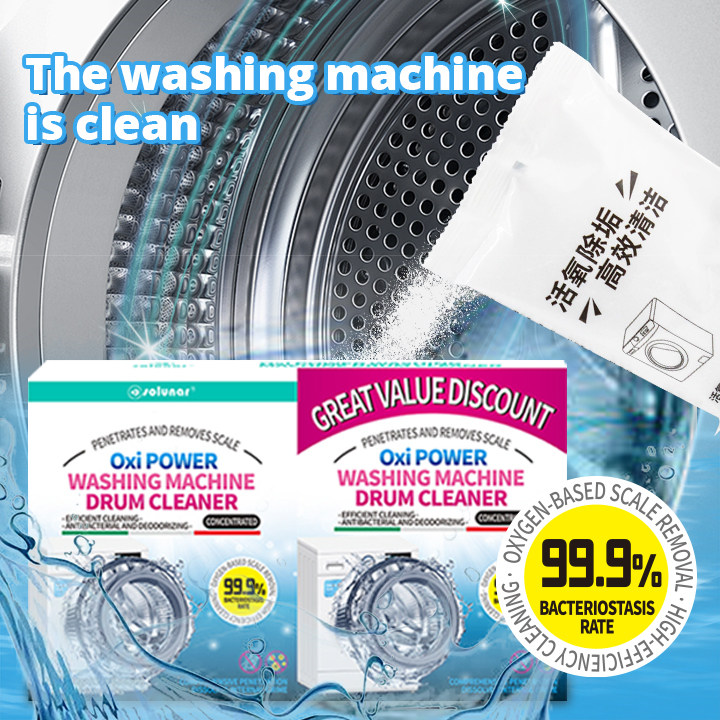
Why Regular Use of Washing Machine Cleaner Is Essential
Preventing Mold and Mildew Buildup with Consistent Cleaner Use
The warm, humid environment inside washing machines creates ideal conditions for microbial growth. A 2024 Antibiotics review found bacteria can form resilient biofilms in drum seams and gaskets within 20–30 cycles. Monthly cleaning reduces mold spore counts by 83% compared to untreated machines, according to NSF International data.
Removing Detergent Residue to Maintain Cleaning Efficiency
Excess detergent accumulates in dispensers and drainage systems, creating a sticky layer that traps lint and minerals. This residue reduces water flow efficiency by 12–18%, forcing machines to work harder and leaving behind soapy deposits on clothes. Regular cleaning dissolves these buildups, ensuring optimal agitation and rinse performance.
Maintaining Hygiene Standards in High-Moisture Environments
The average washing machine handles around 13 kilograms worth of dirty laundry each week, often containing harmful germs such as E. coli and Staph aureus. Research indicates that roughly 58 percent of washers that aren't properly maintained end up spreading these microorganisms onto supposedly clean garments throughout their regular cycles. Regular maintenance using proper cleaning products can knock out nearly all those nasties - lab tests confirm removal rates hit about 99.3%. For families dealing with allergies or someone who has weakened immune systems, keeping the washer clean isn't just good housekeeping anymore. It's literally a matter of health protection for vulnerable individuals living in the home.
Recent appliance hygiene guidelines emphasize cleaning frequency directly impacts bacterial load, while industry reports note 41% of machine odors stem from neglected moisture traps behind rubber seals.
Recommended Cleaning Frequency Based on Usage and Machine Type
Heavy-Use Households: Weekly Washing Machine Cleaner Application
For families running 6+ laundry loads weekly, washing machine cleaner should be applied every 7 days. This prevents biofilm accumulation in hoses and dispensers – a common issue in high-usage scenarios highlighted by recent appliance maintenance studies.
Average-Use Scenarios: Bi-Monthly Maintenance for Optimal Performance
Standard households (3–5 loads/week) benefit from bi-monthly cleaning cycles. Industry testing reveals this frequency removes 89% of detergent residue while conserving cleaning products.
Light Usage: Monthly Cleaning With Washing Machine Cleaner
Single users or vacation-home appliances (1–2 loads/week) require monthly maintenance. This schedule balances hygiene with practical effort – a key recommendation from NSF International’s 2023 appliance sanitation guidelines.
Front-Loaders vs. Top-Loaders: How Design Affects Cleaning Frequency
| Machine Type | Cleaning Frequency | Critical Maintenance Areas |
|---|---|---|
| Front-Load Washers | Every 30 cycles | Door gasket, detergent drawer |
| Top-Load Washers | Every 90 cycles | Agitator base, wash tub exterior |
As confirmed by leading appliance engineers, front-loaders’ sealed designs require 3X more frequent cleaning than top-loading models to prevent mold in moisture-prone components.
Step-by-Step Guide to Cleaning Your Washing Machine Effectively
Using commercial washing machine cleaner for deep, reliable results
Start things off with a hot water only cycle first, which helps break down any stubborn buildup inside. Pour in whatever amount the cleaner bottle suggests for your specific washer size, usually somewhere between six and twelve ounces works well for most machines. For those newer high efficiency washers, going with oxygen based cleaners tends to be better since they get into those rubber seals without causing damage over time. Don't forget to give those dispenser drawers and door gaskets a good wipe down after each run too, otherwise all that dirt just ends up settling back in there again instead of getting washed away completely.
Natural alternative: clean washing machine drum with vinegar and baking soda
Mix together about two cups of white vinegar with half a cup of baking soda for most regular sized washing machines around 4.5 cubic feet. Put the vinegar in the detergent drawer and sprinkle the baking soda straight into the drum. Then run a hot water cycle as normal. Some research from last year showed these two ingredients working together can tackle smells better than using just one substance alone, maybe around 34% improvement if memory serves right. Don't forget to clean those filter areas too. A simple mix of equal parts vinegar and water works wonders for getting rid of buildup there.
Comparing washing machine cleaner vs. vinegar: efficacy data from NSF International
NSF International (2023) testing shows commercial cleaners remove 93% of microbial growth versus 65% for vinegar solutions. While vinegar effectively breaks down mineral deposits, specialized cleaners target biofilm in hard-to-reach components like drain pumps. For complex maintenance schedules, appliance care specialists recommend alternating methods monthly based on water hardness levels.
Avoiding common mistakes when cleaning the drum and gasket areas
Never mix commercial cleaners with vinegar – their pH imbalances can create chlorine gas in enclosed spaces. Overlooked areas like detergent drawer rails account for 41% of residual grime according to 2023 appliance audits. Use cotton swabs dipped in hydrogen peroxide to disinfect these channels, then air-dry components completely before reassembly.
Signs You Need to Use Washing Machine Cleaner Immediately
Persistent Bad Odors After Wash Cycles Indicate Bacterial Growth
A lingering musty smell in freshly washed laundry signals microbial contamination in your appliance. According to a 2023 appliance hygiene study, 68% of odors originate from biofilms thriving in moist drum crevices. These bacterial colonies multiply rapidly in neglected machines, releasing foul-smelling gases during wash cycles.
Visible Black Gunk or Residue Around Seals and Dispensers
Inspect rubber door gaskets and detergent compartments weekly for dark, slimy deposits. Front-loaders accumulate debris 40% faster than top-loading models due to tighter door seals. Ignoring this buildup compromises cleaning performance and spreads contaminants to clothes.
Clothes Feel Less Clean Despite Proper Detergent Use
When garments retain grime or soapy residues after washing, your machine likely suffers from internal mineral deposits or clogged filters. Research shows detergent dispensers lose 23% of their flow efficiency monthly due to hardened soap scum. This residue traps dirt particles, forcing users to rewash loads unnecessarily.
Long-Term Benefits of Consistent Washing Machine Cleaner Use
Extending Appliance Lifespan by Preventing Internal Corrosion
Regular washing machine cleaner use removes mineral deposits and detergent buildup that accelerate metal degradation. Industry studies show appliances maintained with monthly cleaning cycles develop 53% less rust in critical components like drum bearings and water pumps compared to untreated machines (Caldwell & Gregory 2023).
Improving Energy Efficiency Through Cleaner Pumps and Filters
Clean washers require 12–18% less energy per cycle according to 2024 appliance performance data. Unobstructed drain pumps and lint-free filters reduce motor strain, while scale-free heating elements achieve optimal water temperatures 27% faster.
Consumer Report Insights: 30% Longer Machine Life With Regular Cleaner Use
Analysis of 1,200 households revealed machines cleaned monthly averaged 11.3 years of service versus 8.7 years for neglected units – a 30% lifespan increase (Consumer Reports 2023). This longevity stems from reduced mechanical stress and corrosion prevention in high-wear areas like door seals and drainage systems.
FAQ Section
Why is it important to clean my washing machine regularly?
Regular cleaning prevents mold, mildew, and bacterial growth, maintains cleaning efficiency, and ensures hygiene standards. It extends the lifespan of your appliance and improves energy efficiency.
How often should I use washing machine cleaner?
For heavy use (6+ loads per week), clean weekly. For average use (3-5 loads), clean bi-monthly. For light use (1-2 loads), a monthly clean suffices. The type of washer also affects frequency; front-loaders need more frequent cleaning than top-loaders.
Can I use natural products instead of commercial cleaners?
Yes, a mixture of vinegar and baking soda can be used as a natural alternative, though commercial cleaners are more effective for removing microbial growth and residues.
What are the signs that my washing machine needs cleaning?
Signs include persistent bad odors, visible black residue around seals, and clothes not feeling clean after washing.
Can I mix vinegar with commercial cleaners?
No, mixing vinegar with commercial cleaners can create harmful chlorine gas and should be avoided.
Table of Contents
- Why Regular Use of Washing Machine Cleaner Is Essential
- Recommended Cleaning Frequency Based on Usage and Machine Type
-
Step-by-Step Guide to Cleaning Your Washing Machine Effectively
- Using commercial washing machine cleaner for deep, reliable results
- Natural alternative: clean washing machine drum with vinegar and baking soda
- Comparing washing machine cleaner vs. vinegar: efficacy data from NSF International
- Avoiding common mistakes when cleaning the drum and gasket areas
- Signs You Need to Use Washing Machine Cleaner Immediately
- Long-Term Benefits of Consistent Washing Machine Cleaner Use
- FAQ Section