
 EN
EN


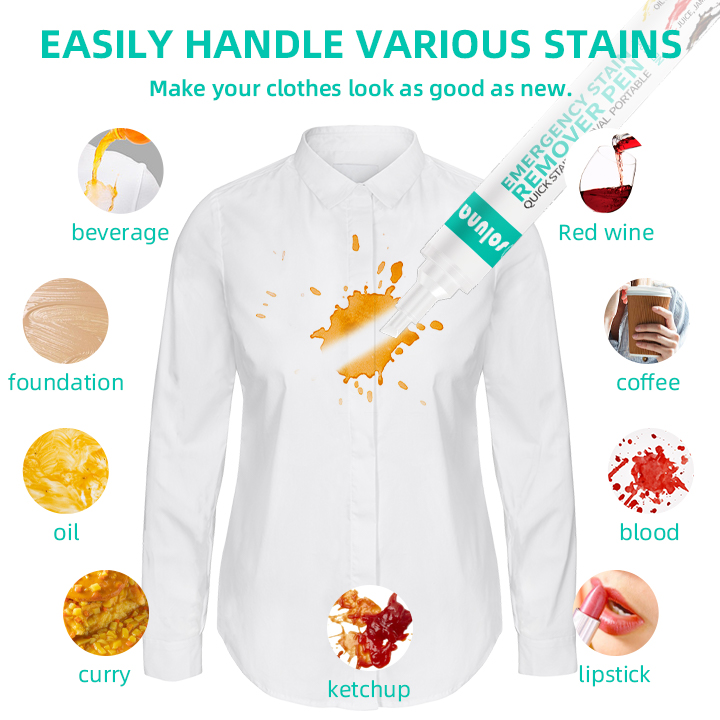
Why Stain Remover Pens Dominate Portable Stain Management
Precision Delivery Mechanics: How the Pen Format Enables Controlled, Mess-Free Application
Stain removal just got smarter with this innovative pen design. Traditional methods like spray bottles or wipes often soak too much fabric, but this tool has a super accurate tip that puts the cleaning stuff right where it's needed. This means less harm to nearby fabric and no sticky mess left behind, which matters a lot when dealing with fancy fabrics. Top companies have started making pens with special liquid formulas that get going when rubbed against the stain. People can actually massage the cleaner into spots without pushing the dirt around. Plus, the whole thing is built to fit comfortably in jeans pockets or handbags. It works great while running errands or during those unexpected spills at lunch meetings.
Real-World Demand Drivers: Commuters, Parents, and Professionals Relying on Instant Stain Control
People who commute every day, busy parents, and professionals all know how important it is to deal with stains fast. Think about coffee spilling on your shirt during rush hour traffic, messy food accidents when kids are around, or those annoying ink smudges during important meetings. These situations call for quick fixes without drawing attention. The special no rinse, no water formula works wherever needed public transportation stops, elevators, even conference rooms supporting our increasingly on-the-go lives. A recent study by the Ponemon Institute found that office spills alone cost businesses around $740k each year because employees waste time cleaning them up. That's why stain removal pens have become so popular they offer instant results that keep clothes looking good and people feeling confident even when life throws curveballs.
Stain Remover Pen Effectiveness Across Stain Types and Timelines
Fresh Stains (0–10 Minutes): Optimal Window for Enzymatic and Solvent-Based Stain Remover Pen Action
Getting started quickly matters a lot. Enzymatic cleaners work wonders on protein stuff like milk spills and food messes, whereas solvents tackle those pesky oil spots and colored stains from coffee or ink better. Most people find that acting fast pays off big time - around 70 to 95 percent of mess goes away in just ten minutes before it really sets into the fabric. Some good habits to remember: always blot gently instead of rubbing which can tear fibers apart, give whatever cleaner about three to five minutes to do its job properly, and watch out because these products don't work nearly as well below ten degrees Celsius. According to lab results, solvent pens clear away about 89 percent of coffee rings and 83 percent of ink marks if used within five minutes flat. The enzyme ones aren't far behind either when dealing with food related stains.
Set-In Stains (>24 Hours): Managing Expectations and Complementary Techniques
Effectiveness declines significantly on stains older than 24 hours due to oxidation and deep fiber bonding. Pens typically achieve only 30–50% improvement compared to 75% for fresh stains. Realistic outcomes require combining pen use with additional methods:
| Stain Type | Expected Improvement | Recommended Complementary Action |
|---|---|---|
| Red wine | 30-40% lightening | Hydrogen peroxide soak (1:3 dilution) |
| Grease | 40-50% removal | Dish soap + baking soda paste |
| Blood | Minimal improvement | Cold water soak + enzymatic spray |
Start with the marker pen application, then get those fabric fibers open again with some steam treatment, and right after that, give it a good rinse under cold water. Don't try this technique directly on silk or wool though since they're made of proteins and tend to react badly to whatever chemicals might be in the pens. When dealing with really old stains on delicate materials, it's probably best to leave it to the pros at the dry cleaners. Realistically speaking, aim for making things look lighter instead of trying to totally erase everything - sometimes that's just not possible no matter how hard we try.
Targeting Top 5 Everyday Stains with a Stain Remover Pen
Beverage Stains: Coffee, Tea, and Red Wine – pH and Tannin Considerations
Stain remover pens work their magic on acidic spills such as coffee and tea thanks to special pH balancing ingredients that counteract the acidity. When dealing with red wine which contains lots of tannins, these pens contain solvents that actually break apart those stubborn color molecules before they get stuck in the fibers of clothes. Getting these products onto fresh stains right away matters a lot. Most experts recommend acting within about ten minutes of the spill happening because this quick response stops colors from setting permanently. Timing really does count just as much as what kind of product someone uses when trying to save favorite garments from lasting damage.
Cosmetic & Oil-Based Stains: Lipstick, Foundation, and Grease – Formula Compatibility Insights
Stain remover pens work their magic because they contain oil soluble emulsifiers that break down those stubborn waxy makeup stains and actually lift away greasy spots without leaving behind any mess. This makes them much better than regular water based cleaners which tend to spread the oils around instead of removing them. Most pens come with a really fine tip too, so users can target exactly where the stain is without worrying about damaging nearby areas of clothing. Before using though, it's smart to do a quick test first on an out of sight seam area since some fabrics such as silk might not take kindly to the treatment. When dealing with tricky blends or particularly delicate materials, sending things off to a pro cleaner often makes sense if there's any doubt about whether the product will work safely.
Proper Stain Remover Pen Use: Best Practices for Maximum Efficacy
The 3-Step Emergency Protocol: Blot – Apply – Air-Dry (No Rubbing!)
If something spills on clothing, quick action matters most. Start by blotting up whatever liquid remains using a fresh towel or paper towel. Don't rub at all because rubbing pushes the stain further into the fibers. Next step is to put the stain remover right where the mark is, making sure there's enough product covering the spot but not so much that it drips through to the other side. Leave everything alone until it dries naturally, no ironing or washing for now. Rushing things here actually makes stains harder to remove later on. Following these steps gives those cleaning chemicals time to work properly without damaging delicate fabrics in the process.
Fabric Safety First: Pre-Testing and Avoiding Delicates Like Silk and Wool
It's wise to do a spot test on an out-of-sight seam before applying any product since different cleaners have varying pH levels. Don't try those stain removal pens on delicate stuff like silk, wool, rayon, or anything with acetate mixed in. The solvents in most pens will mess up protein fibers or even move dyes around. For these tricky fabrics, professional dry cleaning is really the way to go. When working with materials that can handle it, stain remover pens work wonders but only if they're suitable for what we're dealing with. Getting good results without causing damage depends on matching the right tool to the fabric type.
FAQ
How does a stain remover pen differ from traditional stain removal methods?
Stain remover pens offer a precise application with a super accurate tip that minimizes damage to nearby fabric. They are convenient for on-the-go usage, unlike traditional methods like spray bottles or wipes, which can be messier and less targeted.
Can stain remover pens be used on all types of fabric?
While very effective on many fabrics, stain remover pens are not recommended for delicate materials like silk and wool due to potential damage from solvents. It's best to do a spot test first or use professional cleaning for sensitive fabrics.
Are stain remover pens effective on set-in stains?
Effectiveness decreases for stains older than 24 hours due to oxidation and fiber bonding. These pens offer about 30-50% improvement on set-in stains compared to higher effectiveness with fresher stains.
What are the best practices for using a stain remover pen?
For best results, quickly blot the spill, apply the pen to cover the stain, and allow natural drying without rubbing. Pre-test on a hidden area and avoid use on delicate fabrics for safety.