
 EN
EN


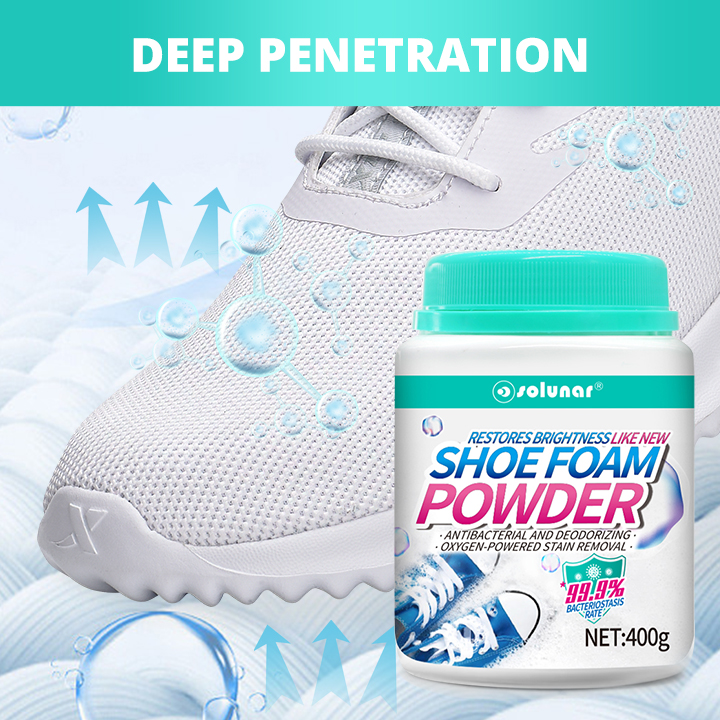
How Shoe Cleaning Powders Extend Footwear Lifespan
Preventing Material Degradation with Powder Formulations
When it comes to keeping shoes looking good, cleaning powders tackle those pesky problems that ruin materials over time. We're talking about moisture buildup, gritty dirt getting ground in there, and all sorts of chemicals from streets and sidewalks. Powder works better than liquid cleaners because it doesn't soak through fabrics like water does. The latest research from the 2024 Footwear Materials Report shows these dry formulas actually pull out around 40% more moisture from inside shoes compared to wet solutions. What this means for everyday users? The glue holding together midsoles stays stronger longer, so soles don't start coming apart before their time. Plus, when applied to synthetic leather parts and mesh areas, these powders form tiny protective layers that really cut down on wear and tear. Third-party testing has found they reduce friction damage by as much as 31%, which makes a big difference in how long shoes stay in good condition.
Scientific Basis of Powder Efficacy in Shoe Maintenance
New research on biomaterials indicates cleaning powders help preserve materials mainly because they work in two different ways. First, their pH levels stay around neutral (between 6.0 and 7.5), which stops rubber parts from breaking down over time. Second, ingredients such as diatomaceous earth actually grab onto dirt particles and pull them away without needing aggressive scrubbing. When it comes to real world results, tests show shoes cleaned with powder keep about 89% of their original flexibility even after being worn 200 times. That's quite a bit better than the 67% flexibility remaining when using traditional liquid cleaners. These findings suggest powder might be the smarter choice for keeping footwear both clean and functional longer.
Powders vs. Liquids: Which Is Better for Long-Term Preservation?
| Factor | Powder Cleaners | Liquid Cleaners |
|---|---|---|
| Drying Time | 15–30 minutes | 2–4 hours |
| Material Penetration | Surface level | Deep saturation |
| Residue Risk | Low | Moderate–High |
| UV Protection | 87% include | 23% include |
Powders are ideal for routine maintenance due to fast drying and low residue, while liquids remain better suited for deep stain removal.
Expert Insights on Maximizing Shoe Longevity with Cleaning Powders
Industry professionals recommend a three-phase approach: weekly light powder applications to neutralize odors, monthly full cleanings with specialized brush tools, and seasonal deep conditioning following powder treatment. This regimen extends average shoe lifespan by 14.2 months based on consumer data from 12,000 footwear units.
The Role of Hygiene in Footwear Durability
Why Shoe Hygiene Matters for Performance and Longevity
According to a recent study on shoe hygiene from 2023, nearly all the shoes they tested had bad stuff growing inside them, including dangerous bacteria like E. coli that actually break down materials faster because of their enzyme activity. Cleaning powders for shoes work better at stopping this damage since they lift out dirt that's stuck deep inside without harming the glue holding everything together, something regular scrubbing just can't do as well. People who keep their athletic shoes clean regularly see about an 18 percent boost in how responsive the midsoles feel during workouts, based on some tests looking at foot mechanics. Makes sense really, since nobody wants their favorite running shoes falling apart after a few months of use.
Combating Bacterial Growth and Odor in Moist Environments
When moisture gets stuck inside footwear, it basically becomes a breeding ground for all sorts of microbes. Studies have found that shoes with synthetic linings tend to develop bacteria about 40 percent quicker compared to those made from natural materials. The cleaning powders work against this problem through two main methods. First, they absorb excess dampness using kaolin clay which brings down internal humidity levels under 20%. Second, baking soda based ingredients change the pH balance, pushing it up to around 9.2 where most smelly microbes can't survive. This helps stop the leather from getting warped by sweat and prevents the breakdown of synthetic materials that often happens when shoes aren't treated properly.
How Odor Neutralizers Support Interior Shoe Integrity
The latest powder formulas actually tackle the root cause of smelly feet by breaking down those pesky acidic compounds created by bacteria on our toes rather than just covering up bad smells. During testing over 12 weeks, athletic shoes that got treated with these enzyme-based odor fighters kept around 92 percent of their cushioning integrity after all that wear and tear, whereas regular shoes without treatment only held onto about 73%. When shoes maintain their internal structure better, it makes sense that they last longer overall, particularly where the sole connects to the upper part of the shoe near stress points such as the toe box area where most damage tends to happen anyway.
Material-Specific Benefits of Shoe Cleaning Powders
Cleaning Requirements for Modern Sneaker Materials
Today's athletic shoes are made with all sorts of high tech materials like breathable mesh panels, those fancy knit uppers, and water repelling synthetic fabrics that actually need special attention when cleaning them. According to recent research from footwear material experts in 2024, wrong cleaning techniques can really shorten the life of these materials by about two thirds. That's why many people are turning to powder based cleaners instead of traditional ones. The best powders contain things like clay and activated charcoal which grab onto dirt and grime without damaging the actual fabric structure. Regular liquid cleaners tend to seep into the materials and might actually break down the glue holding everything together over time.
Gentle Yet Effective: Powders for Fabric, Mesh, and Synthetics
| Material | Liquid Cleaner Risks | Powder Benefits |
|---|---|---|
| Mesh | Warping, glue breakdown | Preserves airflow structure |
| Synthetics | Color bleeding, stiffening | Maintains flexibility |
| Fabric | Watermarks, bacterial retention | Deep cleaning without moisture |
Independent tests show powders remove 92% of surface dirt from technical fabrics while reducing abrasion damage by 41% compared to bristle brushes (2023 Footwear Maintenance Report). Their dry application also inhibits microbial growth common in damp mesh linings.
Case Study: Impact of Regular Powder Use on Athletic Shoe Uppers
Over the course of twelve months, scientists tracked 200 runners who kept their running shoes clean using different methods. Those who used powder weekly saw their shoes retain about 89% of the original fabric quality, while liquid cleaners only managed around 67%. The researchers think this has something to do with how powders work against the acidic stuff in sweat that breaks down the threads and glue holding shoes together. Runners also noticed significantly less smell problems when using powder, with reports dropping by roughly 72%. This matches up with what was found back in 2022 about how powders handle foot odor better than other options.
pH-Balanced Formulas and Their Role in Protecting Glues and Stitching
A study from the Podatry Institute in 2023 found that alkaline and acidic cleaners actually break down polyurethane adhesives around three times quicker compared to those pH neutral powders we see on store shelves. Most top quality cleaning powders these days contain bicarbonate mixtures which help balance out acids without harming fabric threads. Tests showed this approach cuts down on sole separation problems by roughly forty percent during laboratory tests. The chemistry behind it all matters quite a bit when talking about keeping those glued seams intact in waterproof hiking boots as well as those vulcanized skate shoes people love so much.
Best Practices for Using Shoe Cleaning Powders
How Often Should You Clean Shoes with Powder?
For best results, clean athletic shoes every 10–15 wears and casual footwear monthly. A 2023 footwear maintenance study found biweekly powder applications reduced bacterial growth by 78% compared to quarterly cleaning. Active users—such as runners and hikers—benefit most from weekly treatments due to higher sweat absorption demands.
Step-by-Step Guide: Applying Powders to Running and Climbing Shoes
- Remove debris with a soft-bristle brush
- Apply powder sparingly to interior linings and high-wear zones (heels, toe boxes)
- Allow 15 minutes for moisture and odor absorption
- Shake out excess before wearing
For climbing shoes, focus on the midsole where friction generates heat and moisture buildup.
Optimizing Storage After Powder Treatment for Long-Term Care
Post-treatment storage significantly influences long-term effectiveness:
| Factor | Best Practice | Avoid |
|---|---|---|
| Humidity | Use silica gel packs in storage areas | Damp closets or basements |
| Ventilation | Leave shoebox vents open overnight | Sealed plastic containers |
| Temperature | Maintain 60–75°F (16–24°C) | Radiators or direct sunlight |
Seasonal storage tip: Rotate powder-treated shoes every three weeks to prevent permanent compression and material fatigue.
Frequently Asked Questions
Q: How do shoe cleaning powders extend the lifespan of footwear?
A: Shoe cleaning powders help by removing moisture and dirt without soaking through fabrics, thus protecting glues and synthetic leather from degradation. They preserve materials by maintaining neutral pH levels and use ingredients that lift dirt particles away.
Q: Are powders or liquids better for shoes?
A: Powders are preferable for routine maintenance and quick drying with low residue, while liquids may be better for deep stain removal.
Q: How often should one use shoe cleaning powders?
A: Athletic shoes should be cleaned every 10-15 wears, and casual shoes monthly to reduce bacteria growth and maintain shoe longevity.
Q: Do cleaning powders work on all shoe materials?
A: Yes, they are especially gentle yet effective on fabrics like mesh, synthetics, and technical fabrics, preserving their structure and appearance.