
 EN
EN


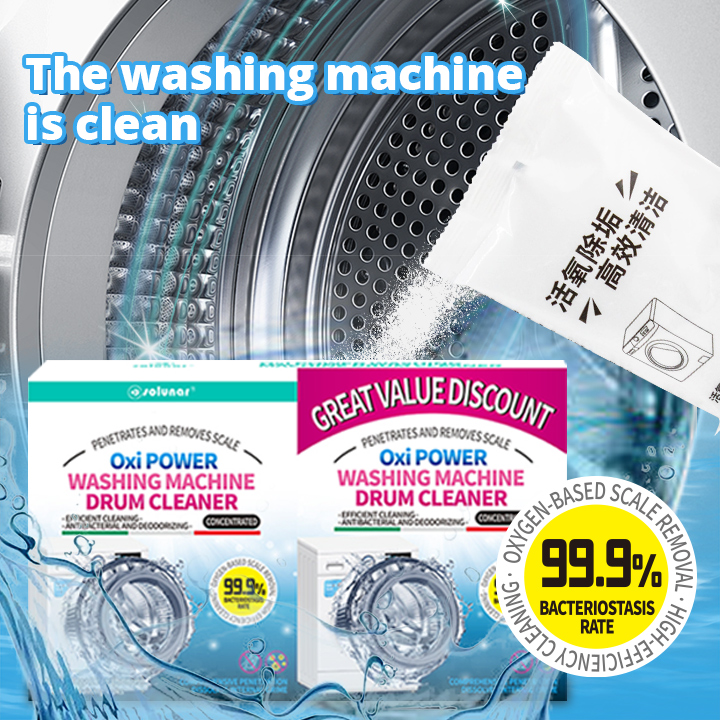
Effectiveness in Removing Bacteria, Mold, and Odors
How Washing Machine Cleaners Combat Microbial Buildup
Washing machine cleaners designed for high efficiency tackle those pesky microbes lurking inside our appliances. According to the latest data from the 2024 Appliance Hygiene Report, around 8 out of 10 front loading machines will start growing mold on their rubber seals within just two years of regular use. The secret behind these cleaning solutions lies in their ability to break apart those stubborn biofilms where all sorts of bad stuff tends to hang out. Take distilled white vinegar as a common example. With its 5% acetic acid content, it has been found in several recent studies to knock down bacteria counts by nearly 99.6%. How does this work? Well, basically the vinegar changes the pH level enough to actually damage the protective walls of fungi cells, making them vulnerable.
The Role of Disinfecting Agents Like Bleach and Hydrogen Peroxide
When it comes to cleaning surfaces, chlorine based products are still considered top notch for getting rid of germs. Research from last year showed that regular household bleach can knock out about 99.9 percent of those pesky Aspergillus spores within just five minutes flat. But these days many cleaners mix things up a bit by combining hydrogen peroxide at around 3 to 10 percent concentration with some kind of surfactant agent. This helps strike a better balance between killing microbes and not damaging whatever surface they're applied to. Bleach works wonders on bad smells and mold growth too, though folks need to be careful with how much they use since mixing one part bleach with ten parts water is pretty critical if we want to prevent rust spots forming on stainless steel containers over time. There are also specialty disinfectants designed specifically for medical settings that manage to eliminate almost as many pathogens without causing all that corrosion issues associated with traditional bleaching agents.
Why Antibacterial Formulas Are Gaining Popularity
Antimicrobial washing machine cleaners now account for 42% of market sales (Global Cleaners Index 2024), driven by two factors:
- Preventive maintenance – Quaternary ammonium compounds leave residual protection against bacterial regrowth for 30+ days
- Consumer safety awareness – 68% of households now prioritize EPA-registered disinfectants over basic detergents
Enzymatic variants using protease and amylase break down organic residues that harbor E. coli and Salmonella, providing dual cleaning and sanitizing action.
Ability to Remove Dirt, Soap Scum, and Mineral Deposits
A good washing machine cleaner needs to handle several stubborn problems that plague most machines over time. First there's those leftover fabric treatment residues that stick around even after multiple washes. About 12% of people actually see these buildups forming after just 50 cycles. Then we have soap scum caused when hard water interacts with regular detergents. And let's not forget about mineral deposits such as limescale that form all over the place. All these gunk tends to collect deep down in the drum corners, inside the detergent compartment, and throughout the drain system. When this happens, the machine doesn't clean clothes as well anymore, plus it starts developing those unpleasant smells nobody wants in their laundry room.
Chelating Agents and Their Role in Limescale Removal
Today's cleaning products often contain substances called chelating agents like citric acid or EDTA which grab onto those pesky calcium and magnesium ions found in hard water buildup. According to a recent study from Appliance Maintenance in 2023, these chemicals actually break down mineral deposits around 40 percent quicker compared to regular scrubbing methods. What makes this approach so great is that it leaves behind clean, smooth drum surfaces while protecting sensitive materials like stainless steel and rubber seals from damage during the process.
Citric Acid vs. Synthetic Detergents: Performance Compared
While citric acid offers eco-friendly scaling removal (85% efficacy in medium-hard water), synthetic formulas containing hydroxyacetic acid demonstrate 92% removal rates in severe limescale scenarios. Phosphate-free options now rival traditional cleaners, dissolving 80% of soap scum in 20-minute cycles without corroding heating elements.
Safety and Compatibility with Machine Components
Modern washing machine cleaners must balance chemical potency with material compatibility to prevent premature wear. A 2023 appliance engineering study found that 23% of repair claims stem from chemical degradation of internal components, highlighting the need for formulation caution.
How Harsh Chemicals Affect Hoses and Rubber Seals
Alkaline-based cleaners (pH >10) accelerate rubber seal hardening by 43% compared to neutral alternatives, according to elastomer durability testing. Chlorine compounds in some formulas cause plasticizer leaching from PVC hoses, reducing their flexibility over time. This chemical embrittlement directly correlates with water leakage incidents reported in 17% of front-load washers under warranty.
Balancing Cleaning Power with Material Safety
Leading manufacturers now prioritize enzymatic oxidizers over traditional chlorine bleach for mold removal. While both achieve 99.9% microbial reduction in controlled trials, enzyme-activated formulas show 78% less surface corrosion on stainless steel drums after 50 cleaning cycles. The ideal cleaner maintains a pH between 6.5–8.5 to preserve silicone gaskets and electronic moisture sensors.
Benefits of pH-Neutral and Non-Corrosive Formulas
pH-neutral washing machine cleaners reduce soap scum 23% faster than acidic variants while protecting metal components. Independent testing shows non-corrosive formulas extend pump lifespans by 2.1 years on average compared to bleach-based products. These gentler solutions also prevent polymer degradation in detergent dispensers, maintaining consistent product flow through 500+ wash cycles.
Natural vs. Commercial Washing Machine Cleaners: A Practical Comparison
Vinegar and Baking Soda: Trends and Limitations
People are turning to natural cleaners like white vinegar and baking soda more than ever before. According to research from the University of Waterloo in 2023, about two thirds of homes now keep these kitchen basics on hand for cleaning appliances. Sure, they save money and are easy to find at grocery stores, but there are some downsides too. These homemade solutions just don't work as well as store bought products when it comes to killing mold, managing around 75% effectiveness compared to commercial options. Plus, many users report unpleasant smells sticking around after cleaning, which means doing additional washes. Another issue worth noting is that constantly using vinegar can actually wear down rubber seals inside appliances over time. For this reason, homeowners often end up needing to apply these natural cleaners more frequently if they want results comparable to what commercial products deliver.
Performance, Cost, and Environmental Impact Compared
A 2023 study comparing cleaning methods revealed commercial washing machine cleaners demonstrate 40% greater efficiency in limescale removal and twice the speed in odor elimination. However, natural solutions cost $0.12 per load versus $0.35 for commercial tablets. Environmental trade-offs emerge in three key areas:
| Factor | Natural Cleaners | Commercial Cleaners |
|---|---|---|
| Biodegradability | 98% breakdown in 30 days | 72% breakdown in 90 days |
| Packaging Waste | Reusable containers | Plastic single-use pods |
| Water Toxicity Risk | Low | Moderate (chlorine byproducts) |
When to Choose Natural Solutions vs. Proven Commercial Cleaners
For light duty appliances that don't get much action, vinegar works great as a monthly cleaner, particularly important for folks dealing with chemical sensitivities around the house. Front loading washers really need commercial products though since they tend to develop mold problems pretty quickly about 68% end up with issues within just two years. Same goes for regions where water is extra hard over 180 parts per million mineral content makes regular cleaning absolutely necessary. And after someone gets sick at home, those commercial formulas become critical too. A lot of people are starting to mix things up these days. About 41% switch between different methods depending on the season, trying to find that sweet spot between being eco friendly and getting proper clean results when needed most.
Best Practices for Long-Term Washing Machine Maintenance
Recommended Cleaning Frequency by Machine Type
Front load washing machines need thorough cleaning once a month because they're built so tightly sealed that they actually hold onto about 43 percent more moisture compared to regular top loaders according to research published in Appliance Science Journal back in 2023. For those high efficiency HE washers that use less water overall, it's smart to give them a good going over every other week before minerals start building up inside. And if someone lives somewhere with really hard water, meaning anything over 7 grains per gallon on the hardness scale, then ramp up that cleaning schedule by roughly 40%. The extra attention helps keep those heating components safe from stubborn lime scale buildup that can damage them over time.
Avoiding Detergent Residue and Fabric Softener Buildup
Overdosing detergents creates sticky soap films in 68% of machines within six months. Use HE-specific detergents and measure doses precisely. Fabric softeners should not exceed ¼ cup per load—their silicone-based formulas bind to rubber gaskets and accelerate wear.
Essential Tools and Products for Ongoing Care
- Microfiber cloths for weekly drum and seal wiping
- Citric acid tablets ($0.15/unit) for dissolving calcium deposits
- Hygrometer ($12) to monitor humidity levels post-cycle
- pH-neutral drum cleaners (6.5–7.5 range) that preserve rubber components
For persistent odors, enzymatic cleaners break down biofilm three times faster than chlorine-based alternatives without corroding stainless steel tubs. Rotate between oxidizing and chelating formulas quarterly to address all residue types effectively.
FAQ
What is the best cleaner for removing mold from a washing machine?
Commercial washing machine cleaners with enzymatic oxidizers are highly effective in removing mold without causing corrosion to machine components.
How often should I clean my washing machine?
Front load washers should be cleaned monthly, while high efficiency machines should be cleaned every other week, especially in areas with hard water.
Are natural cleaners effective in maintaining a washing machine?
Natural cleaners like vinegar and baking soda are effective for light cleaning, but commercial cleaners are recommended for severe mold and limescale issues.