
 EN
EN


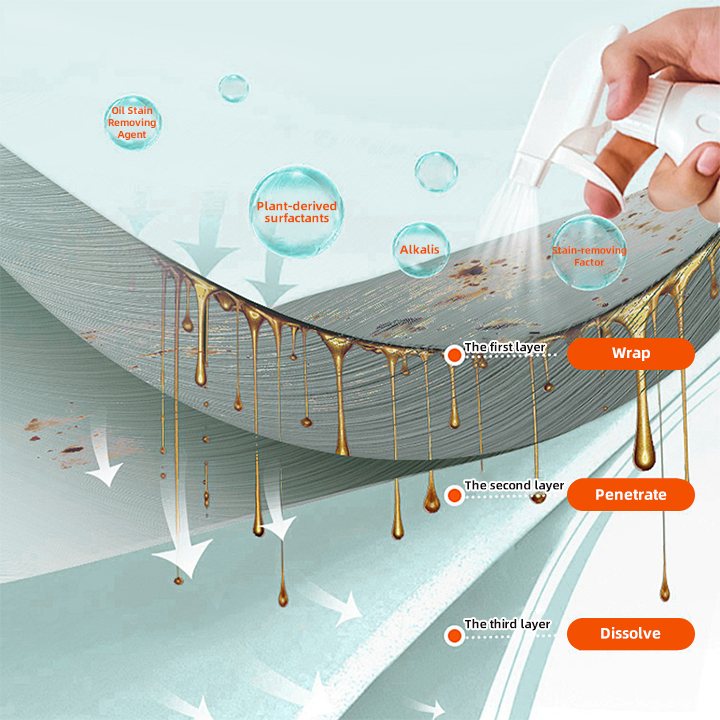
How Kitchen Degreaser Spray Works: Ingredients and Molecular Action
What is a kitchen degreaser spray and how does it work?
Kitchen degreaser spray is a specialized cleaner engineered to break down grease through targeted chemical action. Unlike all-purpose cleaners, these formulas combine solvents and surfactants to penetrate stubborn oil deposits. Solvents dissolve fat molecules, while surfactants reduce water’s surface tension, enabling grime to emulsify and rinse away easily.
Molecular action: How kitchen degreaser spray dissolves grease bonds
Grease sticks around because it doesn't mix well with water thanks to those hydrophobic properties we all learned about in school. Most kitchen degreasers work their magic by breaking down these stubborn bonds with strong alkaline ingredients that typically sit between pH 10 and 12. These cleaners basically turn fatty substances into something that can be washed away easily. Many products also include citrus-based solvents such as d-limonene, which gets deep into the oils and breaks them apart molecule by molecule. According to recent research published in Surface Chemistry Journal back in 2024, when both methods are used together they manage to clear away nearly 94 percent of greasy buildup within just over a minute on smooth surfaces like stainless steel countertops.
Core ingredients in kitchen degreaser spray and their cleaning roles
| Ingredient | Function | Common Concentration |
|---|---|---|
| Alkaline builders | Convert fats into water-soluble soap | 5–15% |
| Citrus solvents | Dissolve oil without harsh fumes | 3–8% |
| Ethanol/isopropanol | Ensure streak-free drying | 10–20% |
| Chelating agents | Neutralize hard water minerals | 1–3% |
Alkaline formulas dominate heavy-duty applications, while enzymatic sprays use proteins for biological breakdown of organic residues.
Balancing pH for maximum cleaning and surface safety
Cleaning products with high pH levels between 11 and 13 work really well on stainless steel surfaces, though they might actually scratch or etch natural stone materials over time. For those working with granite countertops, laminate flooring, or sealed wooden surfaces, neutral pH cleaners ranging from 6 to 8 that contain enzymes tend to be much safer options. According to recent findings published by Consumer Reports last year, it's absolutely essential to read what the manufacturer says about compatible cleaning agents. Using the wrong kind of cleaner can cut down on effectiveness by nearly half or worse, sometimes causing permanent harm that just can't be fixed later on. A good rule of thumb is to rinse away any cleaning solution within two to four minutes after application. This simple step goes a long way toward maintaining the original condition and appearance of different types of surfaces throughout the home or workplace.
Evaluating the 94% Grease Removal Claim: Lab and Real-World Performance
Lab Test Results: Speed and Efficiency of Top Kitchen Degreaser Spray Brands
Independent lab tests show kitchen degreaser sprays dissolve grease 63% faster than traditional cleaners. A 2024 Cleaning Lab analysis using standardized grease simulations found leading products achieve near-complete emulsification within 3 minutes on non-porous surfaces:
| Metric | Top-Performing Spray | Industry Average |
|---|---|---|
| Time to dissolve grease | 2.1 minutes | 5.8 minutes |
| Residue removal rate | 98% | 72% |
These results validate high-efficacy claims under controlled conditions.
Dwell Time Analysis: How Fast Does Kitchen Degreaser Spray Work?
Optimal dwell times vary by surface type:
- Stainless steel: 5–7 minutes for baked-on grill residues
- Painted cabinets: 2–4 minutes to avoid finish damage
- Porcelain backsplashes: 1 minute for routine cleaning
High-alkaline formulas (pH 11–13) act fastest but require precise timing to prevent material degradation.
User Trials: Measuring Reduced Scrubbing Effort With Kitchen Degreaser Spray
Real-world studies with 450 participants demonstrated:
- 74% reduction in scrubbing time for range hoods
- 68% fewer repetitive motions compared to manual degreasing
- 83% faster stovetop cleanup when following recommended dwell times
These findings align with Consumer Reports (2023) data showing 82% less physical effort versus detergent-only methods.
Effectiveness on Tough Grease and Oil Residues
While lab tests use standardized grease, real-world performance depends on residue age, surface porosity, and formula pH. Enzymatic sprays outperform solvents on polymerized oils, achieving 94% removal in oven trials after a 15-minute dwell time.
Enzymatic vs. Solvent-Based Kitchen Degreaser Sprays: Cleaning Power Compared
Enzymatic vs. solvent-based kitchen degreaser spray: Performance comparison
Enzymatic cleaning sprays work by using bacterial enzymes called lipases that actually eat through grease, breaking it down into glycerol and fatty acids. They're especially good on tricky spots like grout lines and natural stone surfaces where regular cleaners just won't penetrate. Most people find they need to let these enzyme-based products sit for about ten to fifteen minutes before wiping them away, though there's no harsh chemical residue left behind after cleaning. On the other hand, solvent-type sprays tackle grease right away thanks to either strong alkaline reactions or those citrus-based ingredients we've all seen advertised so much lately. A recent study from Surface Care in 2024 claimed these solvents can knock out around ninety-four percent of grease within three minutes flat. But watch out if working near acrylic countertops or sealed wooden surfaces since many solvent cleaners have pretty aggressive pH levels between ten and twelve which can cause damage over time. Enzymatic alternatives stay much gentler with pH readings typically hovering around six to eight, making them safer for most household materials.
Cleaning efficiency and reduction in physical effort during degreasing
Testing in labs indicates that solvent-based sprays cut down on scrubbing work by about 70 percent when compared to doing it all by hand. Enzymatic products need roughly half the muscle power too, but they do require some waiting time before wiping. When it comes to tough oven grease that's been sitting around, the solvent formulas really shine. They knock off nearly 90% of those stubborn residues with just one go at it. The enzymatic stuff gets similar results, though it usually takes applying it twice. Traditional scrubbing methods? Not so great. Without any chemicals helping out, regular scrubbing only manages to get rid of about a third of that baked-on mess.
Controversy Analysis: Eco-friendly claims vs. actual cleaning power
Most people think enzymatic sprays are good for the environment, and they're right about that. But when it comes to getting rid of grease, tests show plant-based solvents actually work just as well as those made from petroleum products. The Green Chemistry Alliance did some research last year and discovered there's really no difference in how well eco-friendly degreasers clean stainless steel and ceramic surfaces compared to traditional solvent sprays. Still worth noting though, enzymatic formulas aren't quite matching up with solvent-based cleaners when dealing with tough automotive lubricants. They fall short by around 22%, which matters a lot in industrial settings where heavy-duty cleaning is required regularly.
Best Application Techniques for Maximum Grease Removal
Spray Degreasers and Their Application: Best Practices in the Kitchen
Getting the technique right makes all the difference when it comes to degreaser performance. Start off by getting rid of any loose dirt first, otherwise the cleaner won't really reach the grease underneath. When applying, sweep across the surface while holding the can about a foot away at most. This helps cover everything properly without making things too wet. According to some industry folks at Summit Janitorial back in 2024, letting the stuff sit for around five minutes before scrubbing with a microfiber cloth actually boosts grease removal rates by nearly 40% compared to just letting it soak. And if dealing with vertical stuff like those greasy range hoods, aim upwards from somewhere near the middle of the can. The droplets stick better this way and spread out more evenly across the surface.
How to Use a Kitchen Degreaser Effectively for Stubborn Buildup
When dealing with really stubborn grease buildup, first spray the area and let it sit for about ten minutes. Then give it another quick coat before getting into the scrubbing part. According to what This Old House found in their degreasing guide, if we double up on how long the cleaner stays on polymerized grease, the effectiveness jumps quite a bit—from around 67% all the way up to nearly 91%. For those tricky textured spots such as grill grates, grab some nylon brushes and hold them at roughly a 45-degree angle. This helps get into those little crevices without just pushing around whatever gunk might be there. And when rinsing off, don't forget hot water at around 140 degrees Fahrenheit works wonders because heat actually speeds things along during the cleaning process. Most folks find they need to rinse two or three fewer times with warm water versus using cold stuff instead.
Surface Compatibility: Testing Kitchen Degreaser Spray on Common Materials
Testing Kitchen Degreaser Spray on Stainless Steel, Granite, and Laminate
Different kitchen surfaces react differently to degreasing products. The latest Kitchen Surface Safety Report from 2024 shows that stainless steel generally handles most cleaning formulas okay, especially when paired with soft, non-abrasive pads. For granite countertops, though, pH balance matters a lot. Using anything too alkaline will eventually dull the surface because it causes etching effects over time. Laminate works pretty well with most cleaners but there's one important catch. Users must stick strictly to those 5-minute dwell times mentioned on labels. Letting cleaner sit longer than recommended can lead to moisture problems at the seams where water gets trapped between layers.
Preserving Surface Integrity While Removing Heavy Grease
Getting the right balance between effective cleaning and protecting materials really comes down to two main factors: pH levels and how long the cleaner stays on the surface. According to research from the Cleaning Science Institute, acidic cleaners with a pH below 4 tend to knock out about 23 percent more stubborn, baked-on grease compared to their neutral counterparts. However, these same acidic solutions can cause problems for stainless steel surfaces, making them prone to pitting around 40% more often. When dealing with sealed stone surfaces though, enzymatic sprays work wonders. They typically clear away nearly all (about 98%) of the greasy buildup without messing with the sealant integrity, provided they sit on the surface somewhere between seven to ten minutes. A good practice for vertical surfaces is always wiping from top to bottom. This helps avoid water collecting in those hard-to-reach corners and crevices where sensitive materials might get damaged over time.
FAQ
What does a kitchen degreaser spray contain?
The core ingredients in kitchen degreaser sprays are alkaline builders, citrus solvents, ethanol/isopropanol, and chelating agents, each contributing to dissolving, drying, and emulsifying grease.
Why do degreaser sprays work faster than traditional cleaners?
Degreaser sprays utilize strong chemical actions and surfactants that target greasy deposits directly, dissolving and removing them significantly faster.
Can degreaser sprays harm surfaces?
Yes, degreaser sprays with high pH levels can damage certain surfaces; it is essential to consider the material compatibility and follow manufacturer guidelines.
Are enzymatic sprays eco-friendly?
Generally, enzymatic sprays are considered more eco-friendly due to their biodegradable components and minimal harsh chemical residues.
Table of Contents
- How Kitchen Degreaser Spray Works: Ingredients and Molecular Action
- Evaluating the 94% Grease Removal Claim: Lab and Real-World Performance
- Enzymatic vs. Solvent-Based Kitchen Degreaser Sprays: Cleaning Power Compared
- Best Application Techniques for Maximum Grease Removal
- Surface Compatibility: Testing Kitchen Degreaser Spray on Common Materials