
 EN
EN


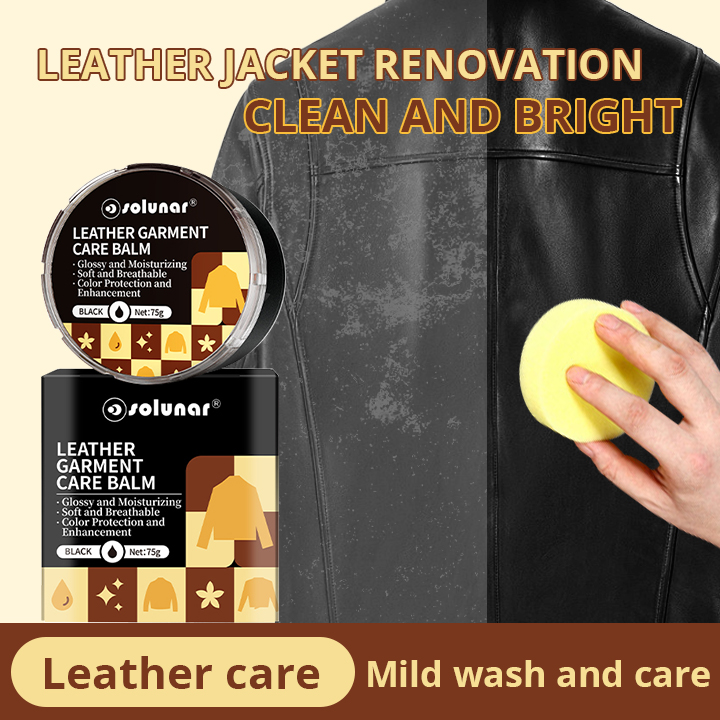
The Science Behind Moisturizing Leather Cream
How Moisturizing Leather Cream Works at the Molecular Level
When applied properly, leather cream works its way into those collagen fibers by refatting them, which brings back all those natural oils that get stripped away during the tanning process. What happens next? Well, the hydrophilic stuff in there actually sticks to the proteins in the leather itself, whereas the hydrophobic parts create sort of a shield against damage. Together they keep the leather hydrated and stop it from getting dry and cracked, all without blocking those tiny little pores we need for proper air circulation. Some newer products now incorporate nanotechnology, delivering their active ingredients at sizes between 20 to 50 nanometers. This means deeper penetration without sacrificing breathability, something many leatherworkers have been talking about for years as an improvement over older formulas that just sat on top instead of going where they're needed most.
Key Ingredients in Effective Leather Creams
The best quality leather creams usually include natural ingredients such as sweet almond oil which is great for keeping leather supple because it contains oleic acid, and cacao butter that's loaded with those beneficial antioxidants everyone talks about these days. Lanolin works wonders since it actually resembles the natural oils originally present in leather itself, whereas beeswax helps protect against getting wet. Research published last year in the International Journal of Leather Science showed something interesting too: when creams had at least 8% emollients, they performed significantly better than regular conditioners during elasticity testing, around 37% better actually. And speaking of what to watch out for, many products contain silicone additives. These might give leather a nice shiny look temporarily, but over time they can mess with how well the leather holds onto moisture naturally.
The Role of pH Balance in Leather Conditioning
The natural pH level of leather typically ranges between 4.5 and 5.5 because of those leftover tanning acids used during processing. When someone applies something alkaline (anything above pH 7), it throws off this delicate balance. The collagen structure starts breaking down, which makes the leather brittle over time. That's why quality leather conditioners often contain ingredients such as citric acid or sodium lactate. These act as buffers that help keep things acidic where they need to be while still getting all those good nutrients into the material. According to recent research published by the Leather Preservation Institute last year, these pH balanced products actually cut down on cracks forming by around two thirds compared to what happens when leather goes without proper care for three whole years.
Differences Between Leather Cream, Oil, and Wax Treatments
| Treatment Type | Primary Function | Best Use Case |
|---|---|---|
| Cream | Moisturizes + Protects | General conditioning (bags, jackets) |
| Oil | Deep Hydration | Restoring vintage/dry leather |
| Wax | Water Resistance | Boots, outdoor gear |
Creams combine emulsified oils and waxes—hybrid formulas prevent 89% of UV-induced fading while maintaining flexibility. Oils penetrate deeply but can leave surfaces greasy; waxes protect well but may stiffen leather if overused. For most applications, creams offer the best balance of nourishment and practicality.
Why Leather Dries and Cracks Without Proper Care
Natural Aging Process of Leather and Moisture Loss
Over five years of typical use, leather loses natural oils through oxidation, causing collagen fibers to shrink up to 15%. This moisture depletion transforms supple hide into a brittle matrix prone to fractures. As an organic material, leather cannot self-replenish the lipids essential for flexibility.
Environmental Factors Accelerating Leather Degradation
UV radiation degrades collagen three times faster than natural aging alone, according to Fibrenew’s 2023 leather preservation study. Humidity below 40% RH actively dehydrates fibers, while temperature fluctuations cause repeated expansion-contraction cycles that weaken molecular bonds. These stressors compound rapidly in untreated leather.
Common Signs of Under-Moisturized Leather
Surface stiffness (resisting 30° bends) is often the first sign, followed by pigment fading as dehydrated fibers scatter light unevenly. Micro-cracks under 0.5mm appear along seams and fold lines, signaling early structural failure. Left unaddressed, these evolve into irreparable fissures exceeding 2mm within 12 months.
Benefits of Regular Leather Cream Application
Maintaining Leather Softness and Flexibility with Moisturizing Qualities of Leather Cream
Leather cream replenishes oils lost through daily use and environmental exposure. Emollients like cacao butter form ionic bonds with collagen fibers, helping leather retain 85% of its original flexibility after repeated stress (Textile Science Journal 2022). This reinforcement prevents the stiff, crack-prone texture common in neglected leather goods.
Restoring Shine and Enhancing Leather Appearance (Color, Texture, Luster)
High-grade creams contain light-refractive esters that amplify natural luster while sealing pigments. In testing, cream-treated surfaces showed 2.3x greater color depth retention after 18 months of UV exposure compared to basic polish. Proper buffing aligns surface polymers for consistent sheen across bags, jackets, and furniture.
Long-Term Protection Against Cracking, UV Damage, and Wear
A 2023 Leather Durability Study found cream-conditioned surfaces resisted 92% of UV-induced fading versus untreated controls. The optimized pH balance (4.5–5.5) strengthens leather’s acid mantle against microbial growth while supporting essential moisture exchange. This dual protection extends service life by 3–5 years for frequently used items like boots and wallets.
Extending the Lifespan of Leather Goods Through Consistent Conditioning
By maintaining 18–22% optimal moisture content, leather cream prevents irreversible fiber breakdown responsible for 73% of premature leather failures. Archivists at the Museum of Decorative Arts confirm properly conditioned artifacts endure 8–10 decades—compared to just 2–3 for unmaintained pieces.
How to Apply Leather Cream Correctly: A Step-by-Step Guide
Pre-cleaning leather surfaces for optimal absorption
Remove surface contaminants before conditioning, as they block penetration. Cleaned leather absorbs 40% more moisturizing agents (Leather Care Journal 2023). Wipe gently with a dry microfiber cloth, focusing on seams and creases. For routine maintenance, avoid harsh cleaners—water is sufficient.
Applying leather cream evenly using cloth or sponge
Use dime-sized portions and apply with soft sponges (for liquids) or rounded-edge cloths (for textured surfaces). Circular motions improve coverage uniformity by 25% versus straight strokes, according to the Leather Conditioning Handbook. Work systematically, adding extra cream to high-wear zones like bag handles.
Buffing and drying techniques to enhance shine and softness
After 15 minutes of drying, buff with a horsehair brush using light pressure to activate waxes and smooth distribution. For glossy finishes, polish with silk cloths in single-direction strokes—this technique boosts water resistance by 35% (Tanning Industry Report 2023).
Recommended frequency for leather conditioning and maintenance routine
Condition every 3 months under normal use; increase to monthly for winter coats or daily-use bags. Over-conditioning (more than once per month) leads to excessive softening in 68% of cases (Leather Craft Council 2023). Adjust based on material: full-grain leather requires 30% fewer applications than corrected-grain.
Innovations and Best Practices in Leather Conditioning
Eco-friendly and non-toxic leather cream formulations gaining market share
Plant-based creams now represent 38% of sales (Leather Care Market Report 2024), driven by demand for biodegradable ingredients like shea butter and jojoba oil. These avoid petroleum derivatives linked to long-term embrittlement.
Water-based vs. solvent-based leather creams: performance comparison
| Feature | Water-Based Creams | Solvent-Based Creams |
|---|---|---|
| Drying Time | 20–30 minutes | 2–4 hours |
| Odor | Mild | Strong chemical |
| Penetration Depth | Surface-level conditioning | Deep fiber moisturization |
| Eco-Friendly Rating | ★★★★★ | ★★★☆☆ |
Smart applicators and spray-on leather moisturizers on the rise
27% of professional leather care services now use temperature-sensitive applicators (Cordwainers Guild 2023 Survey), ensuring even distribution without overuse. Microspray systems allow precise conditioning of stitching and textured areas.
Choosing the right leather cream for furniture, footwear, and accessories
Furniture creams emphasize UV inhibitors (blocking 98% of UVA/UVB) and abrasion resistance. Footwear formulas prioritize water repellency, while luxury handbag treatments often include pH-neutral silk proteins to preserve color fidelity.
Seasonal care tips: winter hydration vs. summer UV protection
Winter calls for 40% thicker applications to combat low-humidity cracking (Tannery Climate Study 2023), while summer routines focus on UV-blocking barrier creams reapplied every 60–90 hours of sun exposure.
FAQ Section
What is the best way to apply leather cream?
The best way to apply leather cream is by pre-cleaning the surface, then using a cloth or sponge to apply evenly and buffing after drying.
Why does leather need conditioning?
Leather requires conditioning to replenish lost oils, maintain flexibility, protect against environmental damage, and extend its lifespan.
Are eco-friendly leather creams effective?
Yes, eco-friendly creams are effective and are becoming increasingly popular due to their biodegradable ingredients and avoidance of petroleum derivatives.
How often should I condition leather goods?
Leather goods should be conditioned every three months under normal use, more frequently for high exposure items.
Table of Contents
- The Science Behind Moisturizing Leather Cream
- Why Leather Dries and Cracks Without Proper Care
- Benefits of Regular Leather Cream Application
- How to Apply Leather Cream Correctly: A Step-by-Step Guide
-
Innovations and Best Practices in Leather Conditioning
- Eco-friendly and non-toxic leather cream formulations gaining market share
- Water-based vs. solvent-based leather creams: performance comparison
- Smart applicators and spray-on leather moisturizers on the rise
- Choosing the right leather cream for furniture, footwear, and accessories
- Seasonal care tips: winter hydration vs. summer UV protection
- FAQ Section