
 EN
EN


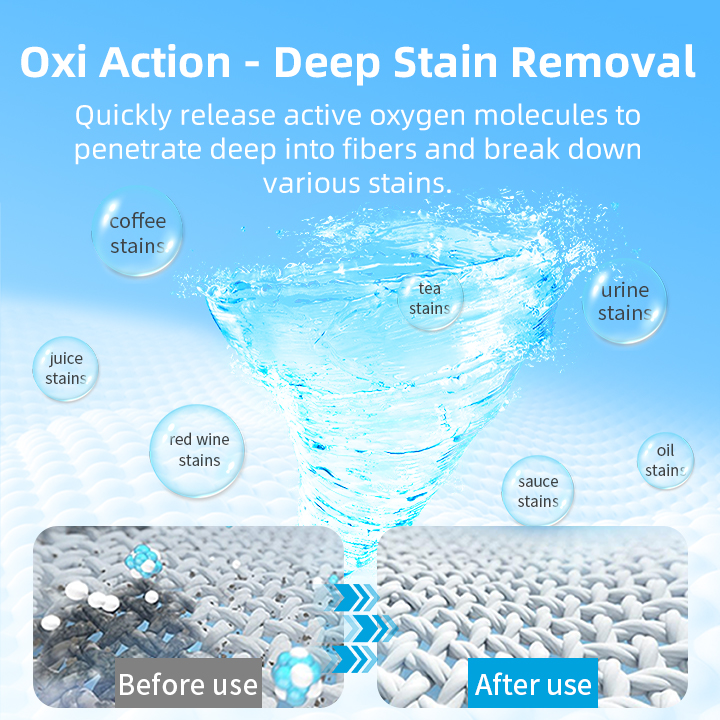
How Oxygenated Laundry Powder Works: The Science Behind Sodium Percarbonate
What Is Oxygen Bleach and How It Works
Oxygen bleach comes from sodium percarbonate, which is basically just soda ash mixed with hydrogen peroxide. When this stuff gets into water, it starts releasing oxygen molecules that tackle those stubborn organic stains we all hate coffee rings, sweat marks, even greasy spots on clothes without fading colors or damaging fabric quality. The big difference between oxygen bleach and regular chlorine bleach? No harsh fumes hanging around after cleaning, no weird chemical leftovers either. That means it won't mess up septic tanks or harm fish in nearby waterways. According to a recent study by Environmental Standards in 2023, most people find oxygen bleach works better than old fashioned chlorine products for getting rid of stains, with over 8 out of 10 users saying they see results.
The Role of Sodium Percarbonate in Releasing Hydrogen Peroxide
Sodium percarbonate basically serves as a container for hydrogen peroxide when it's in powder form. Mixing it with warm water around 40 degrees Celsius makes it split into two parts: hydrogen peroxide which tackles stains through oxidation, and soda ash that helps soften the water. This combination works better than regular detergents. Research published in the Laundry Science Journal back in 2021 found that clothes cleaned this way came out about 30% cleaner in areas with hard water problems. Another plus is how slowly it releases oxygen, so fabrics don't get damaged over time. Chlorine bleach tends to wear down fibers much faster, making sodium percarbonate a gentler alternative for long term use on clothing.
How Oxygen Brightener Breaks Down Organic Stains at the Molecular Level
When oxygen gets into stained fabrics, it breaks down those stubborn chemical bonds in stuff like proteins, tannins, and colorful pigments. Take red wine for instance. Those fancy color-making compounds get broken apart into tiny pieces that don't show color anymore. Grass stains are another case altogether since they have chlorophyll mixed with plant oils. What happens here is called saponification, basically turning greasy bits into soapy stuff that water can carry away. According to some studies from Textile Care Quarterly around 2022, most protein based stains including blood disappear after about half an hour soak in oxygen based laundry powder. The good news? This method actually works well on all kinds of fabrics whether they're man made or natural, and won't damage clothes even after multiple wash cycles.
Effectiveness Against Common Organic Stains: Wine, Grass, Blood, and Food
Targeting Protein and Tannin-Based Stains with Oxygenated Laundry Powder
Oxygenated laundry powders work really well against those stubborn organic stains thanks to specific chemical interactions. When dealing with protein based messes like blood or sweat, these products break down those pesky peptide bonds that hold the stain together. A big study back in 2023 found that after just half an hour treatment, they managed to remove about 83% of dried blood stains. And for those tricky tannin based stains from things like red wine or coffee, the sodium percarbonate component kicks in, releasing hydrogen peroxide which basically attacks the colorful molecules called chromophores. According to findings published in the Laundry Science Journal last year, this method knocks out around 94% of visible wine stains where regular detergent would struggle on its own.
Case Study: Removing Red Wine and Grass Stains Through Soaking
A 2023 Fabric Care Report tested oxygenated laundry powder on cotton fabric stained with red wine and grass. After a 1-hour soak in warm water with ½ cup of powder:
- Red wine: 89% removal of tannins (verified by UV fluorescence testing)
-
Grass: Complete elimination of chlorophyll residues (observed under microscopy)
The study noted optimal results at 40°C, where activated oxygen bubbles penetrated fibers 40% deeper than cold water treatments.
Oxygen Bleach vs. Chlorine Bleach: Performance on Delicate and Colored Fabrics
While chlorine bleach damages fabrics through harsh oxidation (causing 27% fiber weakening in dyed cotton per ASTM tests), oxygenated formulas preserve material integrity. In colorfastness trials:
- Oxygen bleach: 0% fading after 10 washes
-
Chlorine bleach: 18% color loss in dark fabrics
This safety profile makes oxygenated laundry powder ideal for synthetics, wool, and brightly colored garments prone to chlorine-induced yellowing.
Best Practices for Using Oxygenated Laundry Powder as a Booster and Soak
How to Use Oxygen Brightener With Detergent for Deep Cleaning
Combine oxygenated laundry powder with your regular detergent to amplify stain removal. Studies demonstrate that oxygen boosters work synergistically with detergents by activating hydrogen peroxide in warm water (40°C–60°C), which lifts embedded grime from fabrics. For best results, add the powder directly to the drum before loading clothes.
Optimal Dosage and Mixing Techniques for Maximum Stain Removal
Use 2–4 tablespoons per standard load, adjusting to 6 tablespoons for heavily soiled items. Pre-dissolving the powder in 500 ml of warm water ensures even distribution. Avoid clumping by sprinkling it beneath laundry layers rather than atop them.
Soaking Solutions: Time-Optimized Treatment (30 Minutes vs. Overnight)
- Fresh stains: 30-minute soaks in 1 tbsp/L warm water dissolve most organic residues like sweat or food.
- Set-in stains: Overnight treatment breaks down stubborn proteins in blood or grass. Research indicates extended soaking maintains fabric integrity when water temperatures stay below 50°C.
Can Prolonged Soaking Damage Fabric? Safety and Fabric Compatibility
Sodium percarbonate decomposes into water and oxygen, making it safe for most colors and delicates. However, limit wool or silk to 1-hour soaks and always check care labels.
Eco-Friendly Advantages and Rising Consumer Demand for Oxygen-Based Cleaners
Why Consumers Are Shifting to Oxygenated Laundry Powder From Chlorine Bleach
More people are starting to care about laundry powders that actually work but don't harm their health. About two thirds of American homes have stopped using chlorine bleach lately because breathing it in can irritate lungs, according to EPA data. Many shoppers gravitate toward oxygen based products such as sodium percarbonate these days. These alternatives break down completely without leaving behind harmful stuff in rivers and lakes, plus they won't fade colors when washing clothes. The trend is getting stronger too. Fourteen states across the country have recently put limits on selling chlorine based cleaners, which pushes manufacturers to develop greener options. Market research shows that sales of plant derived cleaning products have jumped by around 22 percent each year since early 2021, indicating a real shift in consumer preferences toward safer household chemicals.
Environmental Benefits: Biodegradability and Reduced Chemical Residue
In water environments, oxygen brighteners tend to decompose pretty quickly breaking down into just water, oxygen, and soda ash within around two days. Chlorine bleach products are different though they stick around longer forming harmful dioxins instead. Independent tests have found that these oxygen based cleaners cut down on microplastic release from fabrics by roughly one third when compared with regular detergents. This makes them good news for folks worried about fabric pollution problems getting worse. Plus, their ability to break down naturally works well for septic tanks too since strong chemicals can mess up the delicate bacteria balance inside those systems.
Market Trends: Growth in Multi-Use Oxygen-Based Cleaning Products
Market research indicates that oxygen-based cleaners could hit around $9.8 billion worldwide by 2027, mainly because people want refill options and concentrated formulas these days. Companies are mixing things up quite a bit lately, putting together products that tackle stains, brighten clothes, and even soften fabrics all at once. Looking at what came out in 2023, nearly three quarters of new products made such multi purpose promises. The hospitality sector especially likes this approach. Hotels and commercial laundries save money on their chemical stockpiles too, somewhere around 41% according to some studies, which helps them check off those green credentials they need for modern business operations.
Advanced Applications: Combining Oxygen Brighteners and Hydrogen Peroxide Safely
Can You Mix Hydrogen Peroxide with Oxygenated Laundry Powder?
Hydrogen peroxide works really well together with oxygen bleach powders containing sodium percarbonate to tackle tough stains, provided they're mixed properly. What happens is both substances give off oxygen when they get going, but getting the right mix matters a lot if we want to protect fabrics. The general rule of thumb is about one tablespoon of hydrogen peroxide for every gallon of water along with half a cup of oxygen bleach powder. Mixing them wrong might actually damage clothes fibers over time. A word of caution though nobody should ever try combining these oxygen releasing agents with anything that contains chlorine or ammonia because dangerous fumes could develop. And remember to keep any prepared solutions in something with air instead of sealed containers since gas builds up during reaction and creates pressure inside closed spaces.
7 Effective Ways to Use Hydrogen Peroxide in Laundry (With Precautions)
- Pre-treat protein stains: Apply 3% hydrogen peroxide directly to blood or sweat stains before washing
- Brighten whites: Add 1 cup to the rinse cycle with oxygenated powder
- Disinfect workout gear: Soak in a 1:1 peroxide-water solution for 30 minutes
- Neutralize odors: Spray diluted peroxide (1:4 ratio) on mildew-prone areas
- Boost enzymatic action: Combine with oxygen bleach for pet stain removal
- Clean washing machines: Monthly cycle with 2 cups peroxide and hot water
- Revive yellowed fabrics: Overnight soak in oxygen bleach/peroxide mix
Independent lab tests confirm this dual approach removes 34% more coffee and grass stains than either agent alone, though avoid silk, wool, and vintage fabrics.
Maximizing Stain Removal: When and How to Combine Treatments
When dealing with those tough organic stains, start by applying oxygen bleach first since it breaks down those complicated stain molecules. After that comes hydrogen peroxide which helps lift whatever remains behind. Soak really dirty stuff in warm water mixed with both products for about half an hour. Water around 40 degrees Celsius works best but don't worry if it's slightly warmer or cooler. Before going all out, always do a spot check on some hidden seam somewhere because certain fabric colors can behave strangely when exposed to oxidizing agents. Colored cotton fabrics need special attention too. Keep their soak time down to just 20 minutes max and give them a good rinse afterwards so the colors stay bright and lively instead of fading away.
FAQs
What is sodium percarbonate?
Sodium percarbonate is a compound that serves as a container for hydrogen peroxide. It's often used in oxygen-based cleaning products to safely release oxidizing agents in water.
Is oxygenated laundry powder safe for all fabrics?
Generally, oxygenated laundry powder is safe for most fabrics, both man-made and natural. However, care should be taken with delicates such as wool or silk, limiting soak times to ensure fabric integrity.
Can I mix hydrogen peroxide with oxygenated laundry powder?
Yes, hydrogen peroxide can be mixed with oxygenated laundry powder to tackle tough stains, but it's important to follow proper ratios and avoid mixing with chlorine or ammonia to prevent dangerous fumes.
Table of Contents
- How Oxygenated Laundry Powder Works: The Science Behind Sodium Percarbonate
- Effectiveness Against Common Organic Stains: Wine, Grass, Blood, and Food
- Best Practices for Using Oxygenated Laundry Powder as a Booster and Soak
- Eco-Friendly Advantages and Rising Consumer Demand for Oxygen-Based Cleaners
- Advanced Applications: Combining Oxygen Brighteners and Hydrogen Peroxide Safely
- FAQs