
 EN
EN


The Science Behind White Shoe Cleaners and Material Safety
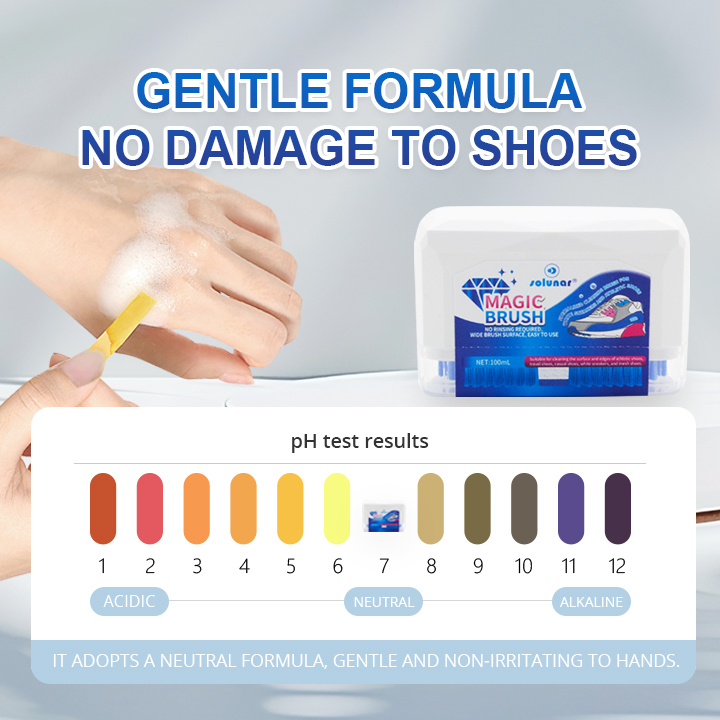
Today's white shoe cleaners rely on chemistry tailored specifically for different materials to tackle stains without compromising how the shoes hold up over time. For canvas surfaces, enzymatic formulas work their magic by breaking down organic messes through protein digestion processes. Meanwhile, solvent-based products get rid of greasy spots on synthetic mesh without causing color problems. The pH level of these cleaners matters a lot too. Cleaners that sit around neutral pH levels between 6.5 and 7.5 are gentler on leather since they don't strip away those natural oils that keep leather supple. This isn't just theory either. A recent study from the Textile Institute showed that alkaline cleaners can wear down rubber soles at triple the rate compared to those balanced options. Makes sense when thinking about how important good traction remains after cleaning.
Most industries have pretty much stopped using chlorine bleach because of how bad it is for fabrics. A study from the Material Durability Journal back in 2024 found that clothes treated with chlorine bleach lose about a third of their strength after only ten washes. That's why top cleaning experts these days point people toward peroxide-based products instead. These formulas clean effectively while keeping fibers intact. When looking at longer term care, many modern detergents actually contain optical brighteners which bounce blue light around to fight off yellowing. This helps maintain colors better too, with minimal impact on fabric quality since porosity changes stay below 3% even after multiple treatments.
Material-Specific Cleaning: Safe Methods for Leather, Canvas, and Mesh
Cleaning White Leather Shoes Without Compromising Durability
Start off by brushing away any loose dirt using a gentle bristle brush so we don't scratch the surface accidentally. Stick to pH neutral cleaners made specifically for leather work because those harsh alkaline stuff above pH 9 will strip out all those important oils from the leather and actually make it crack up to 63% more often based on some research published last year in the Footwear Materials Journal. Once everything's clean, get that conditioner applied pretty quick, ideally within half an hour at most. Pay special attention to spots where shoes take the most beating - think around the toes and heels since these parts tend to wear down first. Conditioning here helps keep the leather flexible and stops premature breakdown over time.
Preserving Fiber Strength When Cleaning White Canvas Sneakers
Cold water works better for washing clothes, especially when paired with oxygen-based detergents rather than chlorine bleach. The Textile Science Review from 2024 found that chlorine actually weakens cotton fibers by around 22% each time it goes through the wash cycle. For cleaning, grab a soft microfiber cloth and move it in circles across the fabric. Stiff brushes tend to tear at the weave over time. When drying shoes, always let them air dry standing up straight to keep their original shape. Putting them in the dryer isn't great because the heat makes natural fibers shrink about twice as fast compared to just letting them dry on their own.
Maintaining Breathability and Structure of White Mesh Athletic Shoes
Mix one part liquid detergent with four parts water for cleaning mesh surfaces without blocking those tiny pores. According to research published in Sportswear Engineering last year, this diluted solution keeps around 95-98% of the original breathability intact, unlike those commercial sprays that tend to leave behind stubborn residue. When dealing with excess moisture, grab some thick towels and blot gently instead of squeezing or twisting the material, since that can mess up the special construction inside. And remember to let everything dry naturally in shaded areas only. Sunlight really takes a toll on these synthetic fibers over time, cutting down their stretchiness by somewhere between 15% and 35% after repeated exposure.
Special Care for Delicate Materials: Suede and Oxidation-Prone Surfaces
Preventing Water Stains and Texture Damage in White Suede Shoes
When something spills on suede, grab that absorbent cloth right away before it has time to sink in. Rubbing just makes things worse by spreading the liquid around and messing up the fabric texture. Stick to pH neutral cleaners made specifically for sensitive materials. A recent study about shoes back in 2023 found that cleaners containing under 1% alkaline stuff cut down permanent stains by almost four fifths when compared to regular store bought options. And if there's already a mark that won't budge? Take a proper suede brush and start working from the outside edges toward the center in gentle circles. This helps contain whatever caused the stain instead of pushing it deeper into the material where it becomes impossible to remove later on.
Understanding and Reversing Yellowing Caused by Oxidation
When shoes sit out in the sun, their soles start to oxidize because UV rays and oxygen attack the polymer materials used in adhesives and midsoles. This happens even faster when there's moisture in the air. Most people notice their once-white soles turning that ugly yellowish brown color somewhere between a year and a year and a half of normal use. Studies show that EVA foam tends to yellow about 43 percent quicker compared to polyurethane materials. If someone catches this early enough, applying those special oxygen scavenger treatments might actually restore around two thirds of the original color on the surface. At least that's what some recent tests with sneakers in 2024 suggested during preservation experiments.
UV Light vs. Chemical Removers: Evaluating Safe Oxidation Treatments
| Method | Treatment Time | Whitening Effectiveness | Material Safety |
|---|---|---|---|
| UV Light Exposure | 8-12 hours | 55-60% | No structural damage |
| Hydrogen Peroxide | 30-45 minutes | 85-90% | Risks rubber hardening |
| Citric Acid Solutions | 2-4 hours | 70-75% | Safe for stitching |
UV light treatments work slowly to bring back faded colors through specific wavelength exposure, which makes them great for restoring old or delicate shoes. Peroxide gels get the job done quicker but can actually make soles stiff over time if used repeatedly. Most shoe preservation specialists will tell anyone wanting to try these methods to test them somewhere hidden first, maybe on that little tag inside the tongue area. According to recent studies from Footwear Conservation Report in 2023, nearly 3 out of 10 older sneakers show signs of rapid deterioration when subjected to powerful oxidizing agents. Always better safe than sorry when dealing with valuable footwear.
Top-Rated White Shoe Cleaners: Safe, Effective, and Eco-Friendly Options
Best commercial white shoe cleaners with non-damaging formulas
The best cleaning brands have started making pH balanced cleaners powered by enzymes that actually get rid of stains about 30% quicker than old school methods without damaging fabrics or materials. Tests show these cleaners keep leather supple and maintain breathability in mesh surfaces even after multiple cleanings. Most premium cleaning kits come with specialized brushes too soft nylon bristles work great on suede surfaces while microfiber pads protect those delicate painted car parts. The whole system is pretty smart really since different materials need different treatment levels to stay looking good over time.
DIY solutions vs. professional products: Safety and performance trade-offs
Baking soda pastes (mixed at a 2:1 water-to-powder ratio) can handle light stains on canvas but lack surfactants needed to penetrate synthetic fibers safely. In contrast, professional oxygen-based cleaners break down organic compounds without altering pH, reducing yellowing risks by 62% compared to home remedies, according to textile lab assessments.
Growing trend of eco-friendly and material-safe shoe care brands
According to a recent 2023 survey on consumer habits, about 78 percent of people who own white sneakers say they've switched to plant based cleaners packed in biodegradable containers these days. Some pretty cool new stuff is coming out too like cleaning products made from algae that foam up nicely and others containing citric acid that actually lift stains just as well as regular chemical cleaners did according to those independent lab tests last year. People seem to really like these eco friendly formulas because they're safer around kids and pets plus they don't mess up the environment like traditional cleaners used to. This trend makes sense given how many folks are getting serious about taking care of their shoes without harming the planet at the same time.
FAQ Section
What are the best practices for cleaning white leather shoes?
For white leather shoes, use a gentle bristle brush to remove loose dirt. Choose pH neutral cleaners specifically designed for leather, as alkaline products can damage the material. Apply conditioner soon after cleaning, especially on areas prone to wear, like toes and heels.
How should I clean white canvas sneakers without damaging them?
When cleaning white canvas sneakers, use cold water and oxygen-based detergents. Avoid stiff brushes and opt for soft microfiber cloths. After cleaning, let the sneakers air dry upright to maintain their shape, rather than using a dryer which can cause shrinkage.
Are eco-friendly shoe cleaners effective?
Yes, eco-friendly shoe cleaners are effective and are increasingly popular due to their minimal environmental impact. These cleaners often come in biodegradable containers and can match the stain removal capabilities of traditional chemical-based cleaners.